
Area guides
Dubai Marina Area Guide: How to Choose the Right Building
Dubai Marina offers waterfront apartment living, but buildings differ considerably. Here is how to assess location, access, management and everyday usability before buying.
Aatif Siddique · Relationship Manager · 5 min read
Published
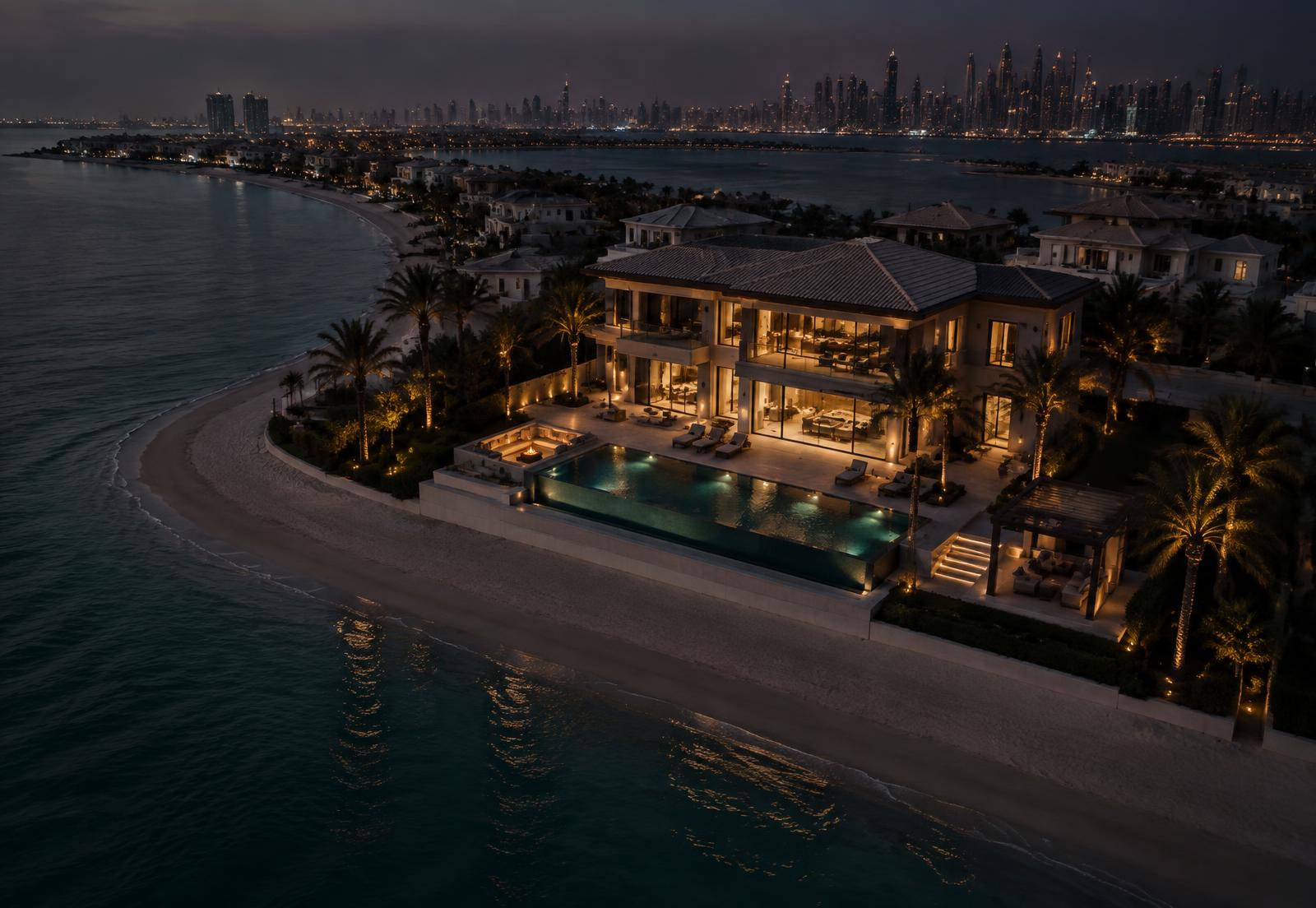
Short answer: Dubai Marina suits buyers who want apartment living close to waterfront walks, restaurants and public transport, but choosing the right building matters as much as choosing the neighbourhood. Compare the exact walking route, road access, building management and apartment layout rather than relying on a marina address or a water-view photograph.
1. What is living in Dubai Marina like?
Dubai Marina is an established waterfront neighbourhood built around a man-made marina. Its residential character is predominantly apartment-led, with towers alongside restaurants, shops, hotels and leisure facilities. For buyers who prefer an active urban setting to a quieter villa community, that combination can be appealing.
There are trade-offs. Busy pedestrian routes, traffic, nearby venues and neighbouring towers can affect privacy and comfort. A home overlooking the waterfront may feel quite different from one facing a road, podium or another building, even within the same development.
Dubai Marina and neighbouring Jumeirah Beach Residence are closely connected, but they are not interchangeable addresses. Being in the Marina does not automatically mean having direct beach access or a short, convenient walk to the beach. Check the actual route from the building entrance.
Before browsing individual homes, decide whether your priority is waterfront access, commuting convenience, quiet interiors or generous living space. Use our Dubai area guides to compare the Marina with other neighbourhoods against those priorities.
2. Choose the location within the Marina first
The neighbourhood is not one uniform market. A building's position relative to bridges, junctions, pedestrian connections and transport stops affects daily life. Two apartments that look close together on a map can have noticeably different access arrangements.
Walk from the building to the places you expect to use regularly. Include the supermarket, public transport stop, waterfront promenade and any destination that matters to your household. Check crossings, changes in level and whether the route is practical in hot weather.
- For commuters: test the journey from the building's parking exit, not just from the main road nearby.
- For pedestrians: check where the residential entrance connects to surrounding streets and waterfront routes.
- For families: assess pavement access, school transport collection arrangements and nearby outdoor space.
- For frequent visitors: establish how guest parking, deliveries and taxi collection work.
Visit during a weekday commuting period and again in the evening. A quiet daytime viewing may not reveal the traffic or activity you will experience when you actually use the property.
3. Assess the building, not just the lobby
A polished reception area is only one part of building quality. Lift reliability, maintenance responsiveness, security procedures and the condition of shared facilities are more useful indicators of everyday living standards.
Ask to see the gym, pool, parking areas and the route between the parking space and apartment. Look for signs of recurring maintenance problems in common areas, while recognising that a single visit cannot establish their cause or seriousness.
- Are passenger and service lifts adequate for the building's use?
- How are maintenance requests submitted and followed up?
- Are there restrictions or booking requirements for shared facilities?
- How are moves, deliveries and contractor access managed?
- Are any significant common-area works planned?
Request available management information and supporting records rather than relying solely on verbal assurances. For service charges, check the applicable information through Dubai Land Department resources and obtain clarification from building management. Charges and included services vary, so compare what the building provides as well as what it costs.
4. Understand views, privacy and noise
Descriptions such as 'marina view' can cover very different outlooks. A view may be visible from the main living room, only from a balcony corner, or between neighbouring buildings. Inspect it from normal seated positions and from the bedrooms, rather than judging it through wide-angle photographs.
Privacy deserves equal attention. Check whether neighbouring apartments look directly into living spaces, bedrooms or balconies. Consider whether you would need curtains closed for much of the day, reducing the benefit of the advertised outlook.
Listen inside the apartment with windows and balcony doors closed, then open. Depending on the location, road traffic, nearby venues, boats, building equipment or neighbouring activity may be audible. Different buyers tolerate different levels of background noise, so assess it personally where possible.
Ask about nearby construction and any known development proposals, but do not treat an agent's reassurance as a guarantee that a view will remain unchanged. Verify relevant information with the developer or appropriate authority. Where the outlook is a major reason for buying, consider whether the apartment would still appeal without it.
5. Check whether the apartment works as a home
Marina apartments vary in layout, storage and practical usability. A large advertised area does not necessarily mean generous bedrooms or an efficient living room. Walk through the home with your actual furniture and routines in mind.
Check whether the dining area accommodates a table without blocking circulation. Look at wardrobe depth, laundry arrangements, kitchen storage and space for working from home. If the apartment has a balcony, assess its shape, exposure and usable seating area.
- Daylight and heat: view at a relevant time of day and ask about shading and cooling arrangements.
- Condition: inspect visible finishes, windows and doors, and commission an appropriate professional inspection before committing.
- Household suitability: assess bathroom access, bedroom separation and space for children or guests.
- Accessibility: check the complete route from the street or parking area to the front door.
Confirm what is included in the sale, especially furniture and appliances. A furnished presentation can make a viewing attractive without showing how the apartment would function with your own belongings.
6. Compare investment options at building level
For investors, a Dubai Marina address is a starting point rather than an investment case. Tenant appeal depends on the individual apartment, building condition, layout, access and total occupancy costs. Identify the likely tenant before deciding which features deserve a premium.
Compare similar units within the same building where possible, then look at competing buildings with comparable facilities and access. Distinguish asking rents from evidence of agreed rents, and avoid applying a neighbourhood-wide rental assumption to every apartment.
Your assessment should allow for service charges, maintenance, letting or management costs, vacancy and finance expenses where applicable. Rental income and resale demand are not guaranteed. If a proposed strategy depends on short-term letting, verify current licensing requirements and relevant building rules separately.
Review available properties against a consistent set of criteria. Buyers using finance should also discuss the particular property with their bank or a mortgage adviser, rather than assuming every building will receive the same lending treatment.
7. Build a focused viewing shortlist
Choose a small selection of buildings that meet your location and lifestyle requirements, then compare apartments within them. This helps separate building-level strengths from attractive staging or a standout view.
Record the same observations after each viewing: access, noise, privacy, layout, condition, management information and verified ongoing costs. Revisit your preferred property at a different time before making a decision. Our buyer's guide explains the wider purchase considerations once you have narrowed your search.
Speak to a Casa Porte adviser at our Business Bay office to build a Dubai Marina shortlist around your budget, daily routine and investment objectives.
Frequently asked questions
Is Dubai Marina a good place to live without a car?
It can suit a less car-dependent lifestyle because the area has shops, services and connections to Dubai Metro and Dubai Tram. Convenience depends on the exact building, your destinations and the walking routes, so test those journeys before buying.
Is Dubai Marina the same as JBR?
No. Dubai Marina and Jumeirah Beach Residence are neighbouring areas with different settings. A Dubai Marina address does not automatically provide direct beach access; check the actual walking route from the property.
What should I check when choosing a Dubai Marina building?
Prioritise road and pedestrian access, lift performance, maintenance, shared facilities, management procedures and verified service charges. Then assess the individual apartment's layout, privacy, noise and condition.
Is a marina-view apartment always a better investment?
No. A view may attract buyers or tenants, but its value must be weighed against the purchase premium, ongoing costs, layout and building quality. Compare relevant transaction and rental evidence rather than assuming the view will deliver a better return.